Gynecomastia Recovery Time: A Week-by-Week Timeline
All-inclusive
Gynecomastia
from€2,950$3,420£2,540CA$4,750A$4,810NZ$5,840
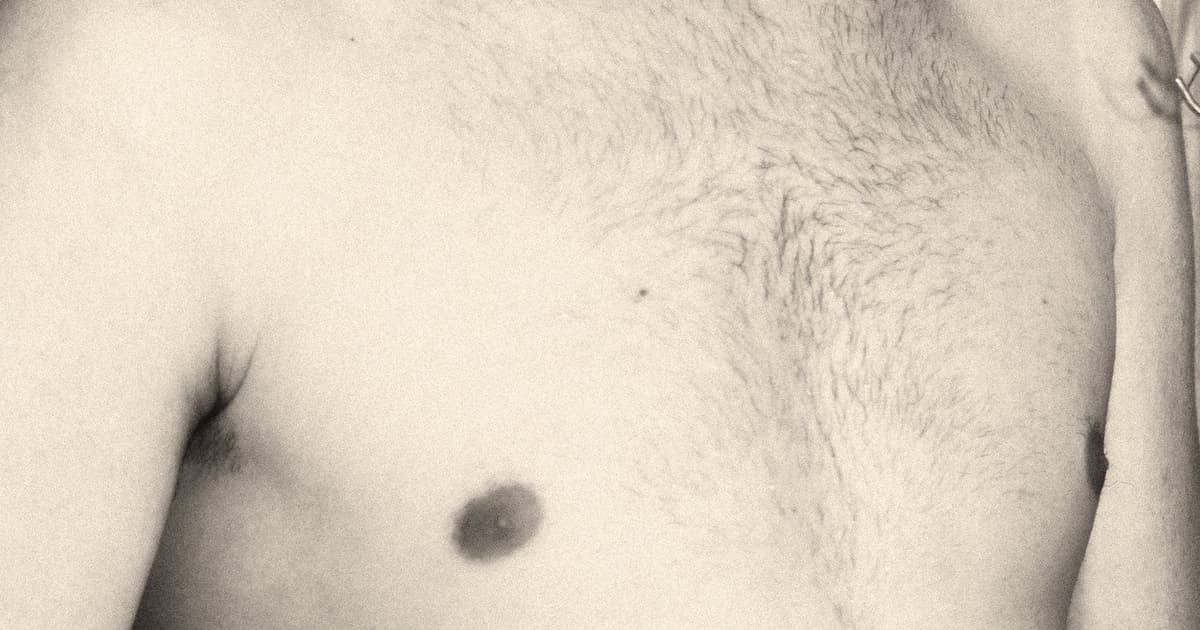
Most men are back at a desk about a week after gynecomastia surgery, back to full training at around six weeks, and looking at their final chest contour somewhere between three and six months. The recovery is genuinely easier than most body-contouring operations, which is exactly why it gets undersold: the first week is restrictive, the compression vest is a longer commitment than anyone expects, and the last of the swelling leaves so gradually that you stop noticing it go.
How long does gynecomastia recovery take?
The short version, assuming an uncomplicated recovery: dressings are checked at day one or two, you are walking the same day, most desk workers are back at it within seven to ten days, sutures come out at around day seven to fourteen, light cardio returns at three to four weeks, chest training at six weeks, and the contour settles between three and six months. Scars keep fading for a year after that.
All-inclusive
Gynecomastia
from€2,950$3,420£2,540CA$4,750A$4,810NZ$5,840
Those are averages. Your own timeline moves with how much glandular tissue was removed versus fat, whether skin was excised, your starting weight, whether you smoke, and how disciplined you are with the vest. What follows is what each phase actually feels like, rather than the version that fits on a brochure.
Days 1 to 7: the vest and the first week
You wake up in a compression vest, and it stays on. It is not a formality: it holds the skin down against the newly contoured chest wall, limits fluid collecting in the space where tissue used to be, and it is the single thing patients most often relax too early. Expect pressure, tightness and soreness when you raise your arms rather than sharp pain. Simple oral painkillers usually cover the first two to three days, and most men are surprised by how little they need.
Walk on the first day, in short and frequent bouts, because early mobility is the main protection against clots. Sleep on your back, slightly propped up. Do not lift anything heavier than a kettle, do not reach above your head repeatedly, and do not drive while you still need strong painkillers or cannot turn comfortably. Board-certified partner surgeons in Istanbul review you in person during this week, which is why the package is built around a stay rather than a flying visit.
Weeks 2 and 3: back to normal life
Sutures, if they are not dissolvable, usually come out between day seven and day fourteen. Bruising has typically turned yellow and faded by the end of week two. Most desk-based work is realistic from around day seven to ten; physical work needs longer, and anything involving overhead lifting or carrying needs sign-off from your surgeon rather than a guess.
The vest is still on, usually full-time, into weeks three to six depending on what your surgeon specifies. Your chest will feel firm, slightly numb, and oddly flat in a way that does not yet look like the result you were shown. That is normal at this stage and it is not the final shape.
Weeks 4 to 6: the gym question
Light cardio such as walking or an easy bike is usually cleared at around three to four weeks. Chest and shoulder work is the last thing back, typically at six weeks, and this is the rule men break most often. Loading the pectoral muscle early increases swelling, can pull on a healing closure, and in the worst case disturbs the contour the surgeon spent the operation creating. There is nothing to gain from a fortnight saved: the tissue is not stronger because you feel fine.
When you do return, go back lighter than your ego wants and build up over several weeks. Most surgeons prefer machines and controlled movements before free-weight pressing.
Months 2 to 6: swelling, hardness and the final chest
Between weeks four and eight many patients hit a plateau, where the chest feels firm or slightly lumpy under the skin and the result seems to stop improving. That firmness is scar tissue maturing, and it softens. It is the phase men worry about most and the one that most reliably resolves on its own. Gentle massage, if your surgeon recommends it, can help.
By three months roughly 80 to 90 per cent of the swelling has gone and the chest you are going to keep is visible. The remainder leaves quietly by about six months. Judge the result at six months, not at six weeks.
Scars, numbness and what does not fully go away
Most gynecomastia scars sit along the lower edge of the areola, where the colour change helps hide them, with additional short scars only if skin had to be removed. They start pink and firm, then flatten and pale over nine to twelve months. Silicone gel or sheets and strict sun protection genuinely help, and neither is optional if you want the scars to disappear into the background.
Reduced or altered sensation around the nipple is common in the early months as small sensory nerves recover. It usually returns, but a small minority of men keep a permanently altered patch of sensation. That is a real trade-off and worth knowing before surgery rather than after.
Does gland excision recover slower than liposuction alone?
Yes, modestly. True gynecomastia involves firm glandular tissue that liposuction cannot remove, so it is excised through a small incision at the areolar border. That adds a closure to heal and usually a little more early swelling than a purely liposuction case, in which the chest is largely fat.
Where the difference becomes significant is skin. If a large volume is removed and the skin does not have the elasticity to retract, skin excision may be needed, and that means longer scars and a longer recovery. An honest assessment will tell you this before you travel, not on the morning of surgery. If your chest fullness is mostly fat and your weight is still moving, losing the weight first is sometimes the better answer, and a good surgeon will say so.
Flying home and the clot risk
Flights are generally cleared from around five to seven days after surgery, and your surgeon's clearance for your case is the number that counts. Any surgery followed by a long period of sitting raises the risk of a deep vein thrombosis, so on the flight home walk the cabin regularly, keep your calves moving, stay hydrated, avoid alcohol, and wear compression stockings if they were advised.
Wear the vest for the journey. Call your surgeon or seek local medical care rather than waiting for your next appointment if you develop calf pain or swelling, chest pain, breathlessness, a fever, spreading redness, or sudden one-sided swelling of the chest.
What it costs and how long to plan for
Gynecomastia surgery with our board-certified partner surgeons starts from €2,950, quoted as an all-inclusive package covering the surgery, the hospital stay, hotel nights and airport transfers. Flights are never included. Plan the trip around the follow-up rather than the operation: the review appointments in the days after surgery are the part you cannot do remotely.
How long until I can lift weights after gynecomastia surgery?
Light cardio at three to four weeks and chest or shoulder training at around six weeks is the usual guidance, subject to your surgeon's clearance. Returning to pressing movements early is the most common self-inflicted setback.
When does the swelling fully go?
Most of it clears by three months, with the last of it resolving by about six. A firm or slightly uneven feel between weeks four and eight is normal scar tissue maturing rather than a failed result.
How long do I have to wear the compression vest?
Typically full-time for the first three to six weeks, then often nights only for a period after that. Follow your surgeon's specific instruction, and do not stop early because you feel fine — the vest is doing work you cannot feel.
Will the gynecomastia come back?
Excised glandular tissue does not grow back. The chest can change again with significant weight gain, anabolic steroid use, or certain medications and medical conditions, so recurrence is usually about the underlying cause rather than the surgery.
How long should I stay in Istanbul?
Plan for about seven nights. That covers the surgery, the early check-ups and a suture review before you fly, which is the sequence that makes the follow-up meaningful.
If you want a realistic recovery plan for your own case rather than an average, send us your photos and a short medical history and our board-certified partner surgeons will review them and come back with an honest assessment and a personalised quote — including whether surgery is the right answer for you at all.


Get Your Free Consultation
Our partner medical team will review your case and send you a personalized treatment plan within 24 hours.
€500 deposit, refundable for 14 days or until your flight is booked · Our guarantee