Blepharoplasty Recovery Time: A Week-by-Week Timeline
All-inclusive
Blepharoplasty
from€1,950$2,260£1,680CA$3,140A$3,180NZ$3,860
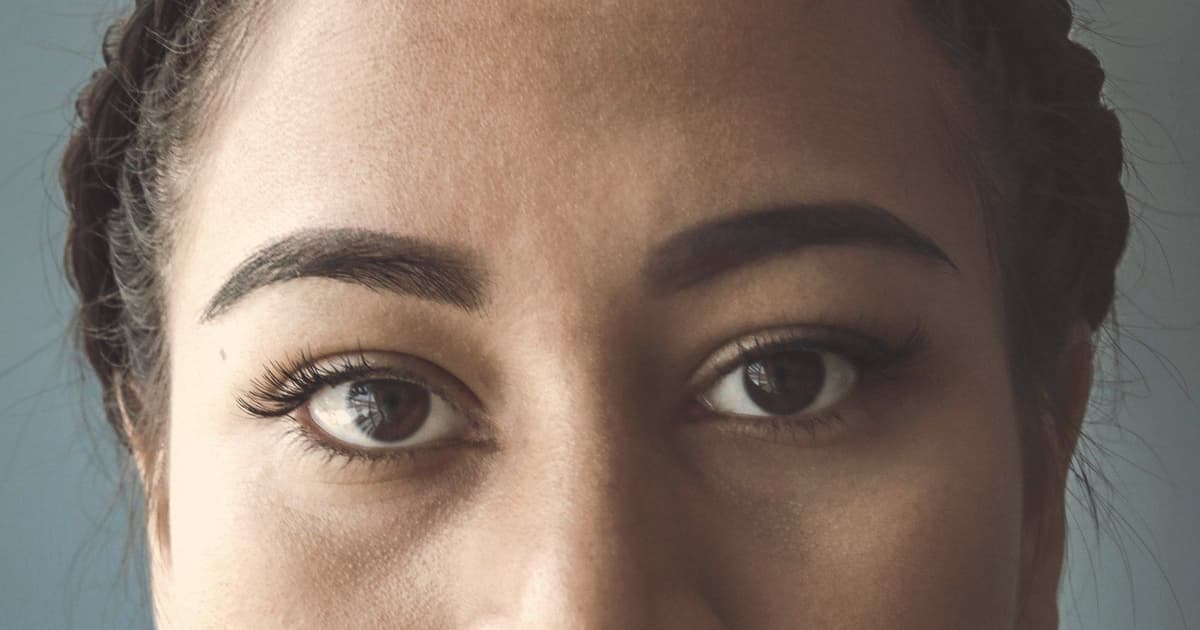
Most people are presentable about two weeks after blepharoplasty and fully healed at around three months. Eyelid surgery has one of the fastest visible recoveries in facial surgery, but fast is not the same as invisible: the first week involves real swelling and bruising, and the final result keeps refining quietly for months after you have stopped thinking about it.
This is the honest week-by-week version, written from what board-certified partner surgeons in Istanbul tell patients before they book rather than from a brochure. Blepharoplasty in Istanbul starts from €1,950 as an all-inclusive package, but the number that decides whether the trip works for you is not the price. It is how many days you can give it.
The short answer: how long does blepharoplasty recovery take?
Stitches come out at day 5 to 7. Most bruising has gone by day 10 to 14. Most people return to desk work in 7 to 10 days and feel comfortable in photographs at about three weeks. Residual swelling — the kind only you notice — settles over two to three months, and scars finish fading between six and twelve months. Lower eyelid surgery runs roughly a week behind upper at every stage.
All-inclusive
Blepharoplasty
from€1,950$2,260£1,680CA$3,140A$3,180NZ$3,860
Days 1 to 3: the swollen phase
Expect the worst appearance of the whole recovery in the first 72 hours. The lids swell, bruising spreads and can drift down towards the cheek, and vision is often slightly blurred from ointment and swelling rather than from anything being wrong. Discomfort is usually described as tightness and grittiness rather than pain, and simple painkillers handle it.
What you do in these three days matters more than anything you do later: cold compresses ten minutes on and ten off for the first 48 hours, head elevated on two pillows for sleep, no bending forward, no lifting, no rubbing. Avoid anything that thins the blood unless your own doctor has cleared it. Sunglasses are not vanity at this stage — they shield against wind and light sensitivity.
Days 4 to 7: stitches out, the first real improvement
Sutures are usually removed at day 5 to 7 by the partner clinic before you fly home, and the day or two after that is the most encouraging moment of the whole recovery. Swelling drops noticeably, bruising turns from purple to yellow-green, and the eyes start to look like yours again. Light walking is fine and helps circulation. Screens are fine in short bursts, with artificial tears if your eyes feel dry.
Week 2: presentable, not invisible
By day 10 to 14 most patients are comfortable in public. Bruising has usually gone or can be covered, incision lines are pink but thin, and desk work is realistic — many people go back at day 7 to 10 if they can control their screen time. What remains is mild uneven swelling: one eye almost always settles faster than the other, which is normal and not a sign that the surgery itself is asymmetric.
This is also the stage where impatience causes problems. Rubbing an itchy healing lid, an early return to the gym, or a hot sauna can all restart swelling that had already settled.
Weeks 3 to 6: makeup, exercise and back to normal
Eye makeup is usually cleared at around two to three weeks, once the incisions are fully closed — ask your surgeon rather than guessing, because lower-lid incisions sit closer to the lash line. Light cardio can typically resume at two weeks, heavy lifting and anything face-down at four to six weeks. Contact lenses are often comfortable again from two to three weeks, though dryness can make them irritating for longer.
Months 3 to 12: the final result
At three months the shape you see is essentially the result. What still changes after that is texture: the scar in the upper lid crease and the one just under the lashes continue to soften and pale for six to twelve months, and a small amount of deep swelling keeps resolving. Sun protection across this period genuinely affects how those scars end up looking.
Upper versus lower eyelid: recovery is not the same
Upper blepharoplasty is the quicker one. The incision hides in the natural crease, swelling is moderate, and bruising is usually contained around the lid itself.
Lower blepharoplasty involves more delicate tissue, drains downwards, and bruises more dramatically — plan on an extra week at every milestone and on bruising that can reach the cheekbone before it clears. Combining upper and lower in one operation is common and does not double the recovery, but it does make the first week harder than an upper alone.
When can you fly home?
Partner surgeons generally clear flying from around day 7, after the stitches are out and the eyes have been checked. Cabin air is very dry, so bring lubricating drops, use them every hour or two in the air, and keep sunglasses on. Flying carries a small clot risk after any surgery: walk the aisle, drink water, skip the alcohol, and tell your surgeon about any history of clotting so the advice can be tailored to you.
Warning signs that need a doctor, not a wait
Most recoveries are uneventful. Contact the clinic or a local doctor the same day if you have sudden or worsening pain, any loss of vision or double vision, one lid swelling far more than the other over hours rather than days, bleeding that does not stop with gentle pressure, spreading redness with heat or discharge, or a fever. Dry eye and difficulty closing the lids fully can happen and are usually temporary, but they should be reviewed rather than quietly tolerated.
What actually speeds recovery up — and what does not
Four things reliably help: sleeping with your head raised through the first week, using cold and then lukewarm compresses at the right stages, not smoking, and taking the full time off instead of half of it. Nicotine is the single biggest avoidable factor in poor eyelid healing.
Arnica, supplements and expensive scar creams are marginal at best. And if your real concern is puffiness rather than loose skin — especially if you are under forty — say so at the consultation. Filler, a skin-tightening treatment or simply doing nothing may suit you better than surgery, and a good surgeon will tell you so.
How long does bruising last after blepharoplasty?
Most bruising fades within 10 to 14 days. It usually turns yellow-green before it clears, and it travels downwards with gravity, so bruising that appears on the cheek in week one is normal rather than a complication.
When can I wear eye makeup and contact lenses again?
Eye makeup at roughly two to three weeks, once the incisions have closed and your surgeon confirms it. Contact lenses often from two to three weeks, though dryness may make glasses more comfortable for a month or so.
Will the scars be visible?
Upper eyelid scars sit inside the natural crease and are usually hard to see once faded. Lower eyelid incisions are placed just under the lashes or inside the lid. The scars are permanent but normally inconspicuous, and no surgeon can guarantee how any individual will heal.
How long should I stay in Istanbul after eyelid surgery?
Plan seven nights. That covers the pre-operative checks, the surgery, the swollen days and stitch removal, with the flight home only after your surgeon has seen how you are healing. All-inclusive blepharoplasty packages from €1,950 are built around that length of stay and include the hotel and airport transfers; flights are never included.
The honest summary: about two weeks to look normal to other people, about three months to look finished to yourself. If you want to know whether your eyelids need surgery at all — and how many days off you would realistically need — send us a photo and a short description for a free assessment, and we will come back with a plan and a personalised quote.
Get Your Free Consultation
Our partner medical team will review your case and send you a personalized treatment plan within 24 hours.
€500 deposit, fully refundable until your flight is booked · Our guarantee