Thigh Lift Recovery Time: A Week-by-Week Timeline
All-inclusive
Thigh Lift
from€3,320$3,850£2,860CA$5,350A$5,410NZ$6,570
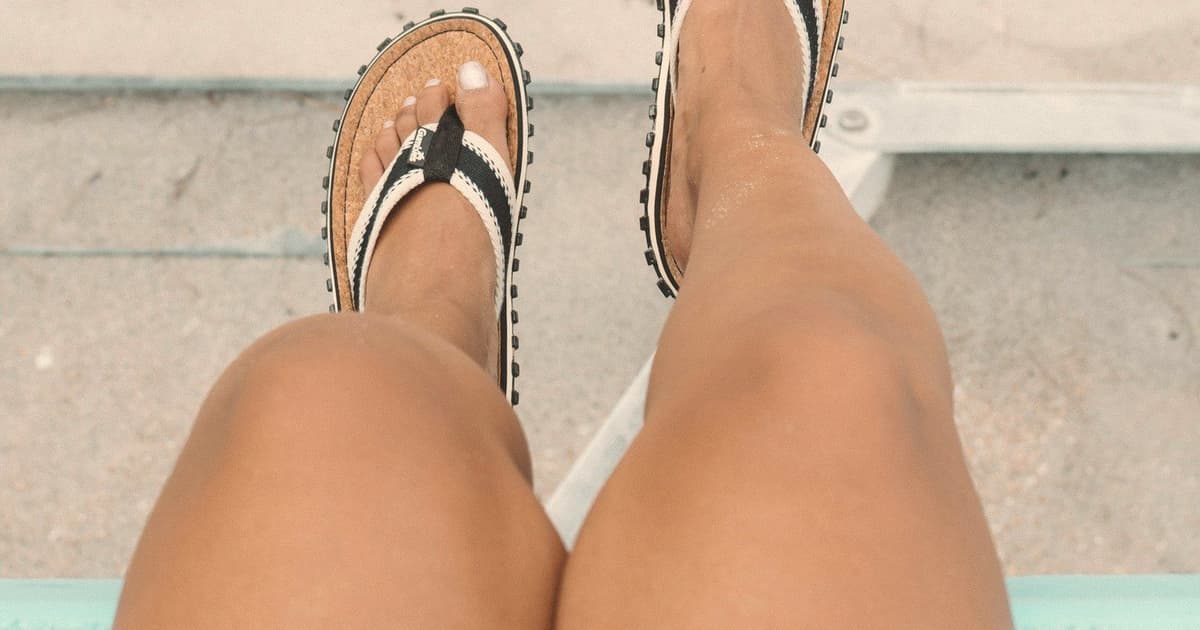
Most people are back at a desk two to three weeks after a thigh lift, walking normally at four to six weeks, and looking at something close to their final leg shape between three and six months. The scar keeps changing for a year or longer. Thigh lift recovery time is genuinely slower than most other body-contouring surgery, and the reason is simple: the incision sits in the groin crease and along the inner thigh, which is warm, mobile and almost impossible to keep still. Anyone promising you a fortnight and a beach holiday is describing a different operation.
How long does thigh lift recovery take?
Assuming an uncomplicated recovery: drains come out in the first two to five days, you walk short distances from day one, sutures come out at roughly two to three weeks, desk work is realistic at two to three weeks, full training at six to eight weeks, and the swelling has mostly gone by three to six months. Scar maturation runs twelve to eighteen months.
All-inclusive
Thigh Lift
from€3,320$3,850£2,860CA$5,350A$5,410NZ$6,570
Those are averages for a medial thigh lift with or without added liposuction. Your own timeline moves with how much skin was removed, whether the incision was limited to the groin crease or extended down towards the knee, your weight stability, whether you smoke, and how disciplined you are with the compression garment. What follows is what each phase actually feels like.
Days 1 to 7: the hardest week
You will be walking, slowly and with small steps, within hours of surgery. That is deliberate: early walking is the main defence against blood clots, and it matters more here than almost anywhere else because the operation is on your legs. What you will not be doing is sitting comfortably, crossing your legs, squatting, or opening your legs wide. Most patients describe the first week as tightness and pulling rather than sharp pain, with the worst of it when standing up from a chair.
Expect drains for the first few days, a compression garment from the outset, and swelling that makes your thighs look larger than they did before surgery. Bruising spreads downwards towards the knees under gravity. Sleeping on your back with a pillow under the knees takes the tension off the incision. Prescribed pain relief is usually enough by day three or four.
Weeks 2 and 3: stitches out, back at a desk
Sutures in the groin usually come out between day fourteen and day twenty-one, later than most other body surgery, because this is a high-tension area that heals slowly. Once they are out, showering becomes easier and daily life starts to look normal from the outside. Most people go back to desk-based work in this window, with breaks to stand up and walk every half hour.
This is also the phase where the most common complication shows up: a small wound separation at the groin, usually where the tension is highest. It is unpleasant and slow rather than dangerous, and it is treated with dressings and patience — but it is the single most likely reason a thigh lift recovery takes longer than planned, and you should be told about it before you book rather than after.
Weeks 4 to 8: the swelling drops and movement returns
Between weeks four and eight the tightness eases, walking stops being a conscious effort, and the shape underneath starts to be visible. Light cardio — a stationary bike at low resistance, longer walks — is usually allowed from around week four, with the surgeon's clearance. Lower-body strength work, running and anything that stretches the inner thigh waits until six to eight weeks.
Most surgeons ask for the compression garment for four to six weeks, often longer at night. It is not decoration: consistent compression reduces swelling and seroma — a pocket of fluid under the skin, which is common after thigh surgery and is drained in clinic with a needle if it appears. Numbness along the inner thigh is normal at this stage and usually fades over several months.
Months 3 to 12: the scar is the real timeline
By three months the swelling has largely settled and the contour you were operated for is the contour you have. From here the timeline belongs to the scar. It typically looks its worst at six to twelve weeks — raised, pink or red — then flattens and fades over the following year. Silicone sheets or gel, sun protection and not smoking are the interventions with actual evidence behind them.
Be clear-eyed about this trade: a thigh lift exchanges loose skin for a permanent scar. In a mini or medial lift the scar hides in the groin crease and is easy to conceal. In an extended vertical lift it runs down the inner thigh and will be visible in a swimsuit and in most shorts. Patients who accept that in advance are almost always happy with the result; patients who were not told tend not to be.
Mini, inner or extended: does the technique change recovery?
Yes, substantially. A mini or crescent thigh lift, with the incision confined to the groin crease, treats laxity in the upper inner thigh only and has the shortest recovery — many patients are at a desk inside two weeks. A medial thigh lift with a vertical extension towards the knee treats the whole inner thigh and adds both time and scar length.
If the operation is combined with liposuction, or performed as part of a lower body lift after major weight loss, add time rather than subtract it. Combined procedures mean one anaesthetic and one recovery instead of two, which is a genuine advantage, but that single recovery is longer and more restrictive than any of the operations alone.
When is it safe to fly home?
Plan on staying seven nights in Istanbul, and treat the flight itself as a medical decision rather than a booking preference. Leg surgery raises the risk of deep vein thrombosis, and long-haul sitting raises it again, so most partner surgeons ask patients to wait until at least day seven to ten before flying, wear compression stockings, walk the aisle every hour and drink water rather than alcohol.
Swelling of the calves and ankles after the flight is common and settles within a few days. Calf pain on one side, shortness of breath, chest pain, a fever, or a wound that suddenly becomes hot, red or starts discharging are not part of a normal recovery — those are same-day calls to your coordinator or a local doctor, wherever you are.
What slows a thigh lift recovery down
Smoking is the big one. Nicotine constricts the small blood vessels that keep a high-tension groin incision alive, and it measurably raises the rate of wound breakdown. Stopping six weeks before surgery and staying off it for six weeks afterwards is the single most useful thing a patient can do for this particular operation.
The others are unstable weight, sitting for long stretches too early, abandoning the compression garment because it is uncomfortable in summer, and returning to lower-body training before the incision has the strength to take it. Weight that is still moving is also a reason to postpone surgery entirely: results after a thigh lift only hold if your weight has been stable for six to twelve months.
Do you actually need a thigh lift?
Not everyone who dislikes their thighs needs skin removed. If the problem is fat with reasonable skin tone, liposuction alone gives a good result with a far shorter recovery, no long scar and a lower price — and an honest consultation should say so. Skin quality, not fat volume, is what decides this, and a surgeon who recommends a lift for every thigh is not assessing you.
A thigh lift earns its recovery when there is genuine loose skin that no amount of training or fat removal will retract — typically after major weight loss or significant weight fluctuation. If you are between the two, some surgeons will suggest liposuction first and a lift later only if the skin fails to redrape. That sequence costs more overall, but it avoids a permanent scar you did not need.
What a thigh lift in Istanbul includes
A thigh lift in Turkey with Estetica Istanbul starts from €3,390 as an all-inclusive package: the procedure with a board-certified partner surgeon at a JCI-accredited partner hospital, your hotel nights in Istanbul, airport and clinic transfers, and interpreting throughout. Flights are not included. Estetica Istanbul is a medical-tourism agency — the surgeons and hospital are partners, and you are told who is operating before you travel, not on the day.
Thigh lift recovery: common questions
How painful is a thigh lift?
Most patients describe tightness and pulling rather than sharp pain, worst in the first three or four days and concentrated when standing up or getting out of bed. Prescribed pain relief covers it for the great majority; by the end of week one, simple painkillers are usually enough.
When can I sit normally again?
Short periods of sitting are allowed from the start, but sitting for long stretches is discouraged for the first two to three weeks because it puts direct tension on the groin incision. Most patients sit comfortably for a working day at around three weeks.
How long do I wear the compression garment?
Typically four to six weeks full time, then nights only for a further few weeks, depending on your surgeon's protocol and how much swelling remains. Wearing it consistently is one of the few things genuinely within your control that shortens the swelling phase.
Will the scar be visible in shorts or a swimsuit?
In a mini or medial lift the scar sits in the groin crease and is usually hidden by underwear and most swimwear. In an extended vertical lift the scar runs down the inner thigh and will be visible when your legs are apart. Ask your surgeon to draw the planned incision on you at consultation.
When can I go back to the gym?
Walking from day one, light cardio from around week four with clearance, and lower-body strength training, running and stretching at six to eight weeks. Returning early risks widening the scar, which is not reversible.
If you are weighing up a thigh lift and want to know whether your skin quality actually calls for one, send photographs and a short history for a free assessment. A partner surgeon reviews them and you get a written answer on candidacy, the technique that suits you, the scar you would be accepting and a personalised quote — including an honest note if liposuction alone would serve you better.


Get Your Free Consultation
Our partner medical team will review your case and send you a personalized treatment plan within 24 hours.
€500 deposit, refundable for 14 days or until your flight is booked · Our guarantee