Medical Tourism Insurance: What's Covered and What You Need to Know
Medically reviewed by Akın İnalöz, MD, Board-Certified Plastic Surgeon· Last reviewed:

Travel Insurance vs. Medical Tourism Insurance: Understanding the Critical Difference
Most patients mistakenly believe that standard travel insurance covers medical procedures performed during medical tourism. This assumption is dangerously incorrect. Standard travel insurance—the type you'd buy for a European vacation—covers accidents, illnesses, and injuries that occur unexpectedly during travel. It absolutely does not cover planned medical procedures, elective surgeries, or complications arising from those procedures. If you book a hair transplant in Istanbul and purchase standard travel insurance, that policy will not cover your surgery, complications from the surgery, or follow-up care related to the surgery. This fundamental distinction is why medical tourism-specific insurance exists.
Medical tourism insurance is specifically designed to cover planned, elective medical procedures performed abroad. It covers the procedure itself, pre-operative evaluations, inpatient hospital costs, surgeon and anesthesiologist fees, post-operative follow-up care, and most crucially, complications arising from the procedure. High-quality medical tourism insurance also covers flights home if serious complications require you to seek care in your home country. The cost of medical tourism insurance varies based on the procedure type, your age, and any pre-existing medical conditions, but typically ranges from 200-800 dollars for a complete policy covering a single procedure.
What All-Inclusive Medical Tourism Packages Actually Cover
Many international clinics advertise 'all-inclusive' surgery packages that claim to include everything you need for your medical tourism experience. While these packages can provide excellent value, it's critical to understand exactly what they cover. A legitimate all-inclusive package typically includes: the surgical procedure itself, pre-operative consultations and evaluations, surgeon and anesthesiologist fees, hospital or surgical center charges, standard post-operative follow-up visits (usually 2-4 visits), basic medications needed during recovery, and sometimes airfare and accommodation. However, 'all-inclusive' varies dramatically between clinics. Some packages cover absolutely everything; others charge extra for certain medications, specialized tests, or additional follow-up visits beyond a certain number.
The real value of an all-inclusive package comes when you combine it with proper medical tourism insurance. The insurance covers you if complications arise that extend beyond the basic package. For example, if your hair transplant healing is complicated and requires extended follow-up care, professional insurance covers those additional visits. If you experience an infection requiring additional antibiotics or specialized wound care, insurance covers it. If complications require you to remain abroad longer than planned, insurance helps cover extended accommodation and meal costs. The insurance essentially removes the financial risk of complications, allowing you to focus on your recovery rather than unexpected bills.
What Complications Are Covered: The Details Matter
This is where medical tourism insurance becomes critical and highly variable between providers. Legitimate medical tourism insurance covers common, foreseeable complications directly related to the procedure you underwent. For hair transplantation, this includes infection, poor graft survival, temporary or permanent scalp numbness, and scarring beyond expected levels. For rhinoplasty, complications include bleeding, infection, breathing difficulties, asymmetry, and infection. For liposuction and BBL, complications include infection, excessive swelling, contour irregularities, and in extreme cases, fat embolism. All legitimate insurance covers these procedure-specific complications.
However, insurance typically does NOT cover complications resulting from your actions or non-compliance with post-operative instructions. If you're told not to smoke and you smoke anyway, causing poor wound healing, complications from smoking typically aren't covered. If you're instructed not to exercise for two weeks and you do, causing a complication, that's your responsibility. Insurance also typically doesn't cover 'revision surgery for aesthetic reasons'—if you're unhappy with the aesthetic result but there's no medical complication, insurance doesn't mandate coverage for revision. Some clinics offer free revision if outcomes don't meet their standards; that's a clinic policy, not insurance coverage. Understanding this distinction is crucial when reviewing your insurance policy.
Recommended Medical Tourism Insurers
Several insurance providers specialize in medical tourism coverage and have excellent reputations for claims processing and customer service. Allianz Global Assistance offers comprehensive medical tourism insurance with excellent coverage for procedure-related complications and emergency evacuation. IMG Global provides medical tourism-specific policies with high coverage limits and reliable claims processing. Seven Corners specializes in medical tourism insurance with transparent pricing and flexible plans. When selecting an insurer, look for policies that offer: coverage for your specific procedure type, complication coverage up to at least 50,000 dollars, emergency evacuation coverage, ability to extend coverage if complications require extended recovery, and 24/7 customer support with English-speaking representatives. Read policy documents carefully—'fine print' is where important exclusions hide.
Critical Questions to Ask Before Purchasing Insurance
Before purchasing any medical tourism insurance policy, ask these specific questions: 'Are planned procedure complications covered, or only accidental complications?' (You want planned procedure complications covered.) 'What is the maximum coverage amount for complications?' (50,000+ is standard.) 'Is emergency evacuation to my home country covered if serious complications occur?' (Essential for safety.) 'Are pre-existing medical conditions excluded?' (Likely yes, but confirm.) 'Is there a 'waiting period' before coverage begins?' (Some policies have 24-48 hour waiting periods.) 'What is the claims process, and how long does payment take?' (Simple, fast claims process indicates a legitimate insurer.) 'Can I purchase insurance after I've chosen my surgeon and procedure date, or must I purchase before booking?' (Most require pre-booking purchase.) Ask your chosen clinic for insurance recommendations—they work with insurers regularly and know which ones process claims smoothly and which are problematic. Your clinic has incentive to recommend good insurers because problematic ones create tension between clinic and patient.
Ask the insurer about your exact trip
Tell the insurer that the purpose of travel is planned treatment, naming the procedure and destination. Then ask for a written answer tied to the policy you intend to buy. A general customer-service statement or a product described as “medical” does not establish the scope of cover.
The UK government's travel-insurance guidance encourages travellers to check that cover fits their circumstances. For planned treatment, make the procedure explicit rather than relying on a holiday policy description.
Separate the events you want covered
Ask individually about a medical complication, a changed flight, a longer hotel stay, additional clinical treatment, emergency transport and a cosmetic result you dislike. Do not assume approval for one event means the others are covered. Request the relevant clauses, exclusions, limits and excesses.
Also ask whether cover continues after returning home, whether treatment providers must meet specific eligibility rules, and whether combined procedures alter the agreement.
Check the decision and payment process
Ask whom to contact before arranging non-emergency treatment under the policy, what documentation is required and whether you must pay first and claim later. Clarify who decides whether an expense is eligible. An agency cannot promise that an insurer will approve a claim.
Keep the policy wording and written responses with your quote and treatment records. If the procedure or dates change, ask the insurer whether those changes must be declared. Do not rely on an answer about an earlier plan.
Distinguish the surgery package from insurance
An included follow-up appointment, a repair agreement and an insurance policy are different arrangements. Ask the treatment provider what its written agreement covers, then ask the insurer how that interacts with the policy. There may be costs or situations outside both agreements.
Estetica Istanbul does not include international flights in its treatment packages. Do not assume that a changed flight or additional hotel stay is covered by the agency or by insurance.
Can a clinic tell me that my insurer will pay?
Ask the insurer directly and retain its written response. A clinic's reassurance does not replace the policy terms.
Is a revision guarantee the same as complication cover?
Compare the actual terms, eligible events and costs. A similarly reassuring label can describe very different agreements.
What if no suitable policy is available?
Do not pretend the financial exposure has disappeared. Reconsider the plan, seek qualified advice and understand which costs you would need to meet yourself.
Read exclusions against the reason you are travelling
Read the UK government's surgery-abroad guidance before discussing insurance. Ask the insurer for a written answer naming your procedure, country and dates, and whether planned treatment affects ordinary travel cover or requires specialist cover. UK travel advice does not establish the benefits of an individual policy.
Distinguish paying for the elective operation from paying for a complication of that operation. A policy may use different definitions for elective treatment, emergency care and corrective treatment. Ask where those definitions appear and which applies to your trip, rather than relying on a product title or an agency's recommendation.
Check limits beyond the headline medical amount
Ask whether the quoted limit is shared across events or applies separately, and whether there are smaller limits for transport, accommodation or accompanying-person expenses. Clarify the excess and whether you must pay a facility directly before reimbursement. Ask how cover is affected by a longer stay, a change of procedure or treatment in a different facility.
Do not assume emergency transport means a flight to the hospital or country you prefer. Ask who decides the destination, what clinical authorisation is needed and which costs are eligible. A package transfer to a booked appointment is a different service from medically necessary transport under a policy.
Keep a claim-ready record without delaying care
Keep the policy, written coverage responses, consent documents, itemised invoices and available treatment records together. Ask the insurer which documents it requires, whether translations are needed and how to notify it when your plan changes. Share the assistance number with a trusted contact if you want them to help communicate.
Ask in advance how urgent care is handled when prior authorisation cannot be obtained immediately. Do not delay emergency assessment while seeking a routine commercial reply; obtain the policy's own emergency instructions before departure.
Does a named insurer in this article confirm a suitable product?
A provider name or a headline cover amount does not establish a suitable insurance product. Request current written policy evidence for your trip. Ask a qualified broker or insurer about the exact trip; no provider, benefit or reimbursement is promised here.
For the practical support question, read the separate solo-travel guide. Assistance that must be arranged before travel is not automatically an insured expense.
Get Your Free Consultation
Our partner medical team will review your case and send you a personalized treatment plan.
Your Journey. Our Hands.
From your first message to your flight home — we run the logistics. You focus on the result you came for.



Free Consultation
Send us photos and your goals on WhatsApp. We review them with the partner medical team and send a detailed, written all-inclusive quote. No payment to get your quote.
We Handle the Logistics
Once you decide, we book your hotel and VIP transfers; you book your own flight (not included) and we help you choose the right dates. Pre-op tests, hospital admission, English-speaking support — all arranged before you land.
Partner healthcare institutions
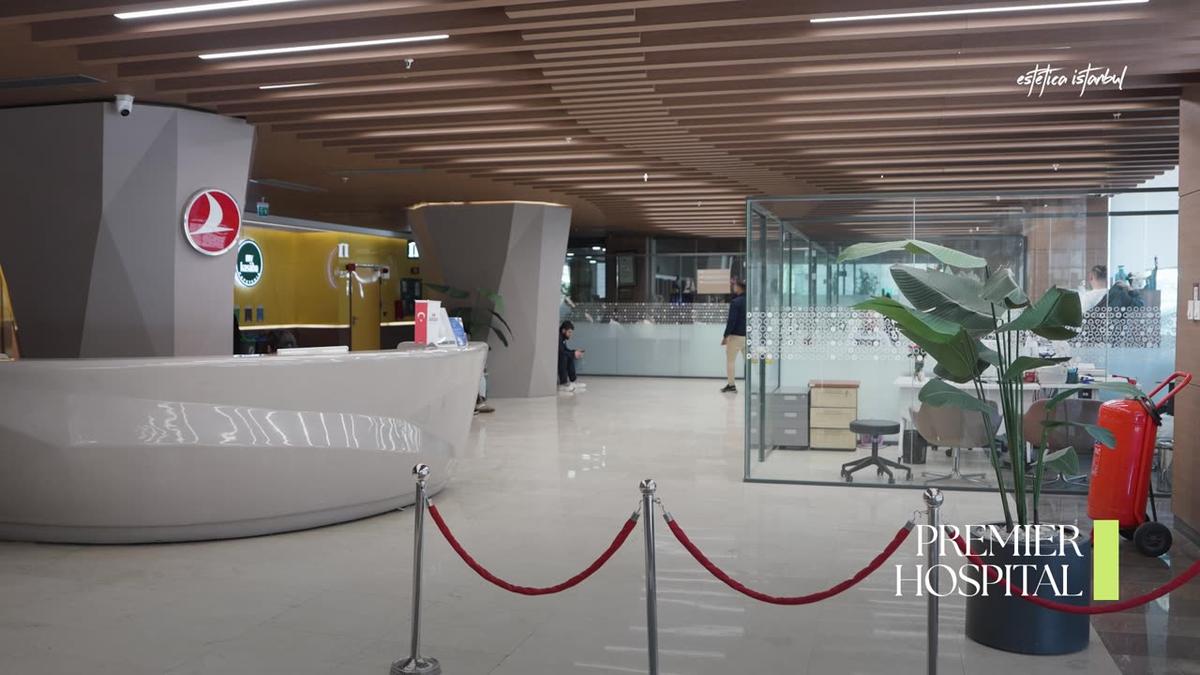
Your operation takes place inside a fully accredited hospital — dedicated anaesthesia and nursing teams, intensive care on the same floor, international safety standards. Never a back-street day-clinic.
Specialist Clinics for Smile & Hair
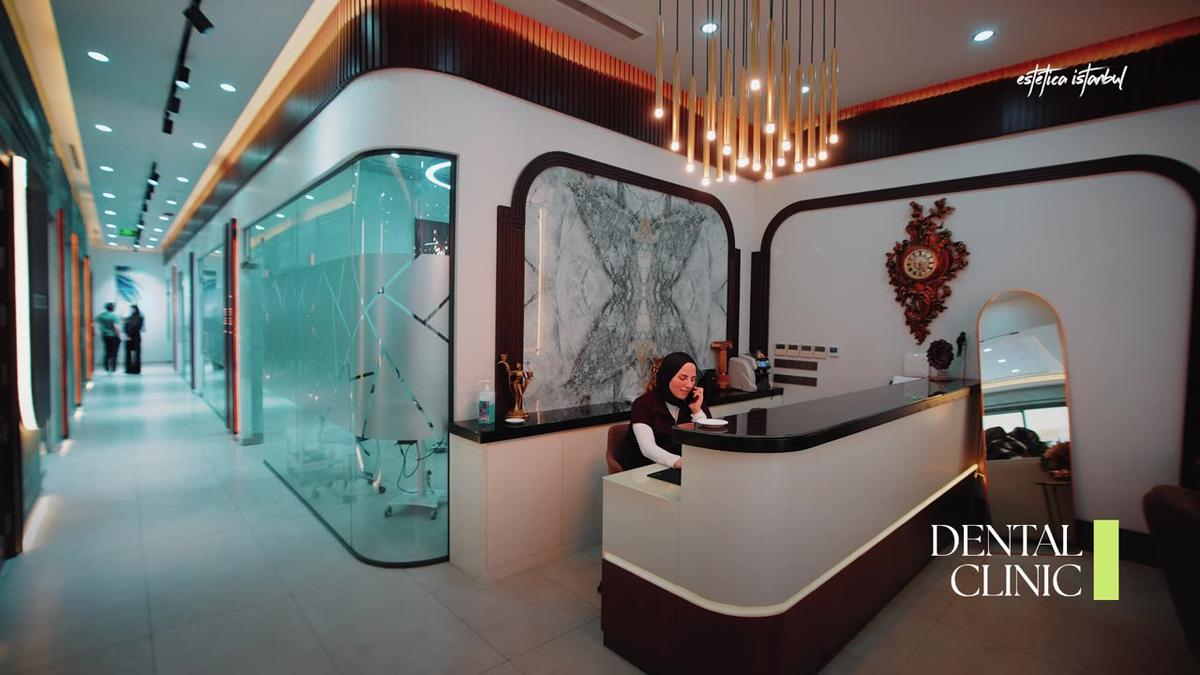
Non-surgical treatments happen at purpose-built venues — our dedicated partner dental clinic for veneers, crowns and implants, and our partner hair restoration clinic for transplants. Each run by teams who do only that, every day.
Recovery, Follow-Up & Your Smile
You recover in a hotel with on-site medical care, then fly home. We follow up remotely for a full year — and if a complication arises, we cover remote consultations with your surgeon and, in rare cases, revision surgery — with the Antwell upgrade.
Free Consultation
Send us photos and your goals on WhatsApp. We review them with the partner medical team and send a detailed, written all-inclusive quote. No payment to get your quote.
We Handle the Logistics
Once you decide, we book your hotel and VIP transfers; you book your own flight (not included) and we help you choose the right dates. Pre-op tests, hospital admission, English-speaking support — all arranged before you land.
Partner healthcare institutions
Your operation takes place inside a fully accredited hospital — dedicated anaesthesia and nursing teams, intensive care on the same floor, international safety standards. Never a back-street day-clinic.
Specialist Clinics for Smile & Hair
Non-surgical treatments happen at purpose-built venues — our dedicated partner dental clinic for veneers, crowns and implants, and our partner hair restoration clinic for transplants. Each run by teams who do only that, every day.
Recovery, Follow-Up & Your Smile
You recover in a hotel with on-site medical care, then fly home. We follow up remotely for a full year — and if a complication arises, we cover remote consultations with your surgeon and, in rare cases, revision surgery — with the Antwell upgrade.