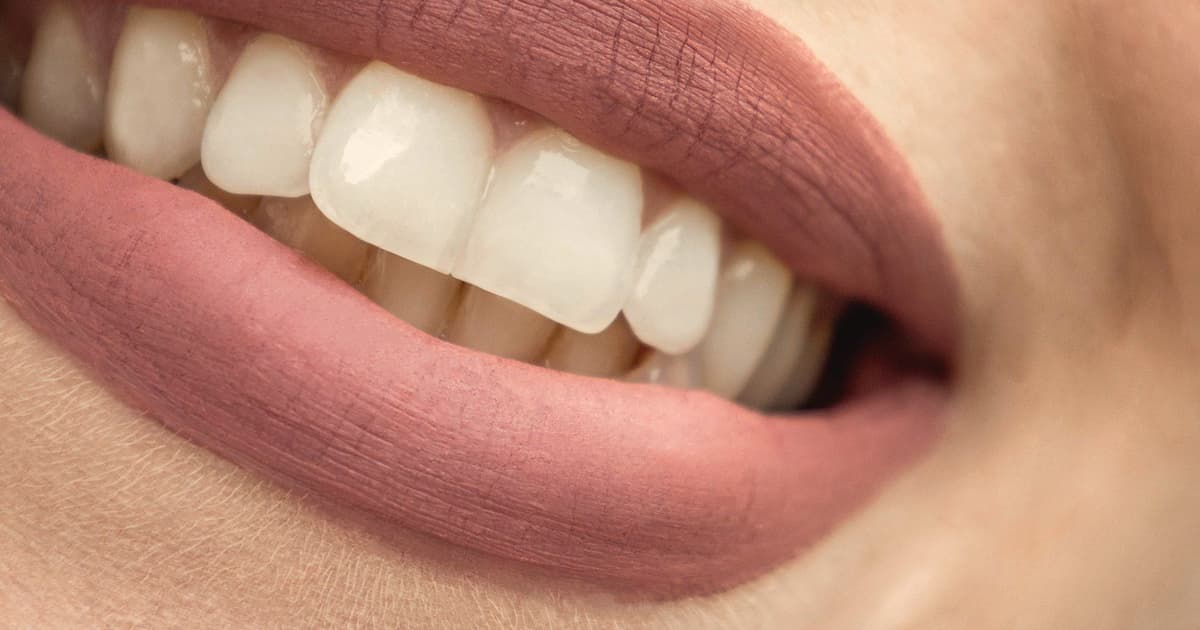
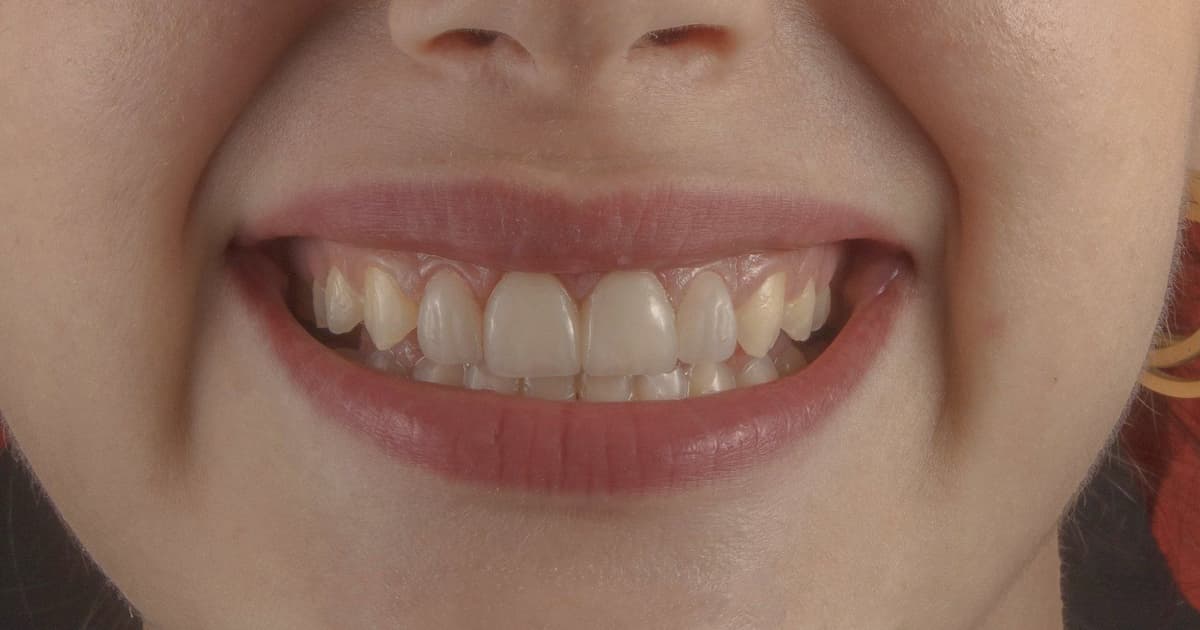
Smile Makeover: From Consultation to Final Result
All-inclusive
Hollywood Smile
from€3,350US$3,890£2,880CA$5,390A$5,460NZ$6,630

What a smile makeover actually is
A smile makeover is a planned combination of dental treatments designed to transform the appearance of your smile as a single coordinated project. It is not a single procedure — it is a treatment plan that can include veneers, crowns, implants, whitening, gum contouring, and orthodontics depending on what your teeth need. The word "makeover" implies cosmetic only, but a good smile makeover also addresses function: bite alignment, tooth wear, and long-term stability.
All-inclusive
Hollywood Smile
from€3,350US$3,890£2,880CA$5,390A$5,460NZ$6,630
The process from first consultation to final result takes between 5 and 14 days in most cases — a condensed timeline compared to the multi-month process typical in Europe, because the dental laboratory work is carried out in Istanbul alongside the treatment, so sessions can be scheduled back-to-back.
The consultation: what really happens
A proper smile makeover consultation is not a sales pitch. It lasts 45–90 minutes and includes: a clinical dental examination (checking for cavities, gum disease, and bite issues that must be resolved before cosmetic work), digital X-rays (panoramic and bite-wing, included), intraoral photographs from multiple angles, a digital scan of your teeth that replaces old putty impressions, and a discussion of your goals in plain language.
At the end of the consultation you get a written treatment plan: exactly which teeth will be treated, which technique (veneer vs. crown, E-max vs. zirconia), how many sessions, the total cost broken down by line item, and the total number of days you need to be in Istanbul. If a clinic skips the examination and jumps straight to quoting "20 veneers", walk away.
Preparing the teeth: the part people ask about
The biggest concern patients have is tooth preparation — how much of the natural tooth is removed to place a veneer or crown. Modern minimally invasive techniques remove between 0.3 and 0.8 mm of enamel for a standard veneer, which is roughly the thickness of a fingernail. Zirconia crowns require slightly more preparation (1.0–1.5 mm) because they are stronger materials.
This is done under local anesthesia in a single session per arch. Local anaesthesia keeps the procedure comfortable. Mild sensitivity to cold can persist for 2–7 days and is managed with desensitizing toothpaste. Any cavities or old fillings are dealt with during this session.
Our preparation philosophy is strict: prepare only as much tooth as each material requires, and prefer veneers over crowns wherever possible. The less enamel removed, the better the long-term health of the tooth.
The temporary phase: 3–5 days of "test driving" your new smile
After preparation, temporary veneers or crowns made from composite resin are placed over the prepared teeth. These are not throwaway plastic — they are carefully shaped to match the planned final result, and you wear them for 3–5 days while the final restorations are fabricated in the lab.
This phase is extremely useful: you get to see the shape, length and proportion of the new smile, eat with the new bite, speak with the new tooth positions, and report any adjustments you want before the final veneers are made. It is the closest thing to a "free trial" in dentistry.
Small changes during the temporary phase are normal and easy: shorter front teeth, slightly different curvature, different level of whiteness. This feedback goes to the lab and is incorporated into the final pieces.
The final fitting
On the final day (day 5–7 of a typical smile makeover), the final veneers or crowns are bonded permanently to the prepared teeth using dental cement under UV light. Each tooth is bonded individually, checked for fit and bite, then the bite is fine-tuned with the surrounding teeth so nothing feels high or uneven.
The bonding process takes 2–3 hours for a full smile makeover. You leave the clinic with your final smile — the result is immediately visible. The first meal is possible 30–60 minutes later, though we recommend sticking to soft foods for the first 24 hours while the cement fully sets.
Living with a new smile
A smile makeover is not maintenance-free. To protect the investment: brush twice daily with a non-abrasive toothpaste, floss daily (especially around crowns at the gum line), use a night guard if you clench or grind your teeth (bruxism will chip veneers), avoid using your teeth as tools (no bottle opening, no biting nails), limit deeply staining foods (coffee, red wine, curry) or rinse after, and attend a 6-month dental checkup.
With proper care, E-max veneers last 10–15 years and zirconia crowns last 15–20 years. When they eventually need replacement, the process is similar to the original treatment.
Frequently Asked Questions
How many teeth are usually involved in a smile makeover?
Most patients treat 16–20 teeth — the visible teeth when smiling widely (8–10 on top, 6–10 on bottom depending on smile line). Treating only the front 8 top teeth can create a visible mismatch with the bottom teeth when smiling, so most surgeons recommend treating both arches.
Can I get a smile makeover if I have cavities or gum disease?
Not until those are treated. A responsible clinic will treat cavities, replace old fillings, and stabilize any gum disease as part of the smile makeover plan before placing veneers or crowns. This may add 1–2 days to the timeline but is non-negotiable for long-term results.
Is the procedure painful?
The preparation sessions are performed under local anesthesia and are pain-free during the procedure. Mild sensitivity to cold for 2–7 days afterward is common and manageable with desensitizing toothpaste.
How long does a smile makeover in Istanbul take?
Standard timeline: 5–7 days for veneers or crowns on already-healthy teeth. Complex cases involving implants, extractions, or multiple corrections can take 7–14 days. The consultation day is always day 1 — no "same day" surgery in responsible clinics.
Will my new smile look natural?
Yes, if you choose the right material and a skilled ceramist. E-max veneers in particular offer extremely natural translucency. The key is working with a clinic where the lab and the dentist coordinate directly on shade, shape and proportion. Ask to see 10+ before-and-after photos of smile makeovers from the same clinic.
Separate your priorities before choosing treatment
A smile consultation is more useful when you explain what matters most. Perhaps your priority is a damaged front tooth, perhaps the colour of otherwise healthy teeth, or perhaps the mismatch between old restorations and your natural smile. Give the dentist that order of priorities instead of starting with a fixed number of veneers.
Ask which recommendations address dental health, which address function and which are primarily cosmetic. Request alternatives and ask what happens if you choose a smaller plan or wait. You should understand the reason for treatment before agreeing to irreversible changes.
Keep the treatment plan and package description separate
As of October 2026, Estetica Istanbul's confirmed Hollywood Smile package covers 12 E.max veneers and seven hotel nights for €3,350, flights excluded. Plans involving 16–20 veneers require individual quotes. The package does not establish that every patient needs 12 veneers or that every combination of dental treatments can be completed within the accommodation period.
Ask for the intended teeth and restoration types in writing. If implants, crowns or other work are proposed, request their own stages, costs and visit requirements.
Define the decisions you will make at each appointment
Before arrival, ask which appointment confirms the clinical plan, when you review the proposed appearance and when preparation starts. Ask how much remains provisional until an examination. Knowing these decision points helps you distinguish an initial quote from consent to a final plan.
Ask whether a mock-up or temporary restoration will be used and what feedback can be considered at each stage. Share concerns about colour, shape and comfort clearly, but avoid assuming that any alteration can be made immediately or without an additional visit.
Consider untreated teeth as part of the design
A restoration plan should explain how treated and untreated teeth will look together. If whitening is proposed, ask when it happens relative to later restorations. The ADA whitening guidance explains that natural teeth and existing restorations respond differently to bleaching.
The aim is a decision you can assess in ordinary life, not just a bright photograph. Ask how the proposed appearance relates to the teeth that remain untouched and how the dentist will discuss your preferences before final fitting.
Leave with information for future care
Request a treatment summary listing the teeth treated and the restorations used. Ask who receives questions after you return home, which follow-up is included and what the written repair terms cover.
Can my initial plan change?
Ask what depends on examination and how a revised proposal will be discussed and priced before treatment.
Is a larger smile package automatically better?
No quantity substitutes for a tooth-by-tooth explanation. Choose the treatment that addresses your goals with a clear clinical rationale.
What should I clarify before my return flight?
Ask whether treatment is complete, whether another appointment is needed, and what to do if you require assessment at home. A hotel booking is not a clinical timetable.
Keep the consent decision before the temporary phase
Ask the dentist to distinguish a preview before preparation from temporaries fitted afterwards. Discuss ADA veneer guidance, the irreversibility of enamel removal and when you can decline preparation. Ask what options remain at each stage rather than treating prepared teeth as a reversible trial.
If your priorities change during the consultation, ask for the tooth list, restoration types and quote to be updated together. Ask which decisions can wait and which would commit you to further treatment. An agreed shade is not consent to an unexplained increase in the number of treated teeth.
Review function alongside appearance at fitting
Prepare practical feedback for the fitting appointment: changes when you close your teeth, speak or clean around the restorations, as well as colour and shape. Ask how the dentist will assess those concerns, what to do if the bite feels wrong and whether another check is needed before departure.
A photograph can document appearance but does not answer these functional questions. Ask which adjustments remain possible, whether laboratory work or a further appointment is needed, and how that affects the planned stay. Do not agree to a final fitting merely to meet a transfer time.
What if the plan includes implants as well as veneers?
Request separate milestones for implants and cosmetic restorations. Use the FDA implant guide to ask about healing, readiness for final teeth and return visits. Ask which work can finish on the initial trip and what remains provisional.
Get Your Free Consultation
Our partner medical team will review your case and send you a personalized treatment plan.
Your Journey. Our Hands.
From your first message to your flight home — we run the logistics. You focus on the result you came for.
Free Consultation
Send us photos and your goals on WhatsApp. We review them with the partner medical team and send a detailed, written all-inclusive quote. No payment to get your quote.
We Handle the Logistics
Once you decide, we book your hotel and VIP transfers; you book your own flight (not included) and we help you choose the right dates. Pre-op tests, hospital admission, English-speaking support — all arranged before you land.
Partner healthcare institutions
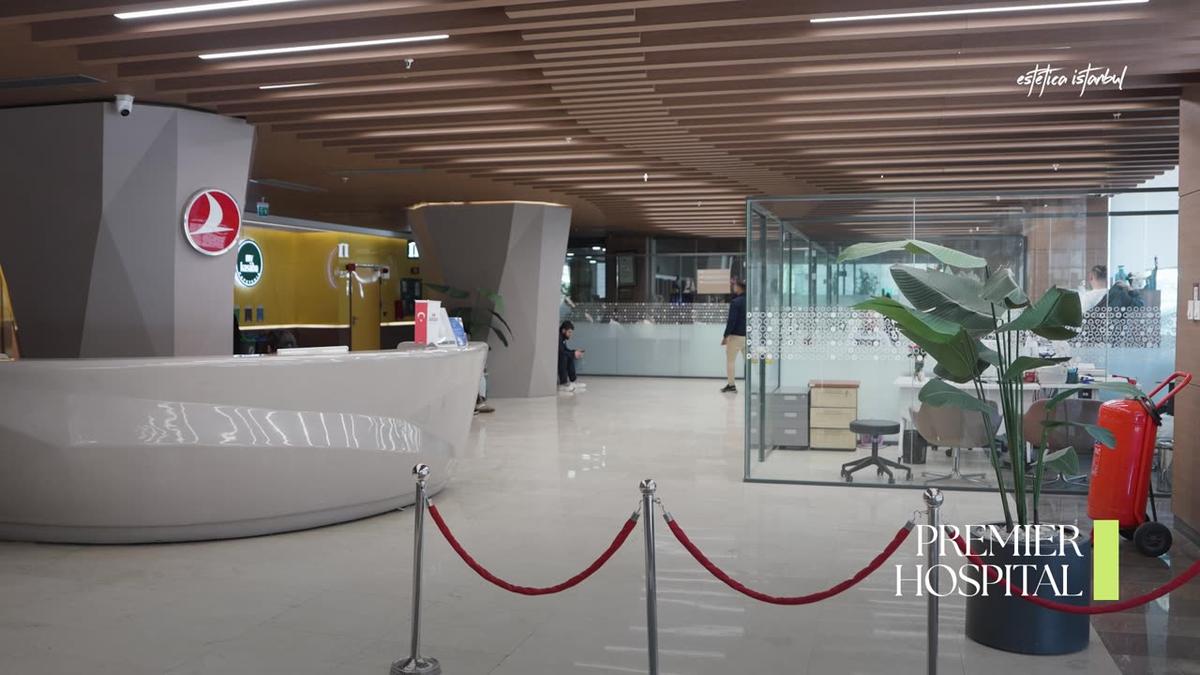
Your operation takes place inside a fully accredited hospital — dedicated anaesthesia and nursing teams, intensive care on the same floor, international safety standards. Never a back-street day-clinic.
Specialist Clinics for Smile & Hair
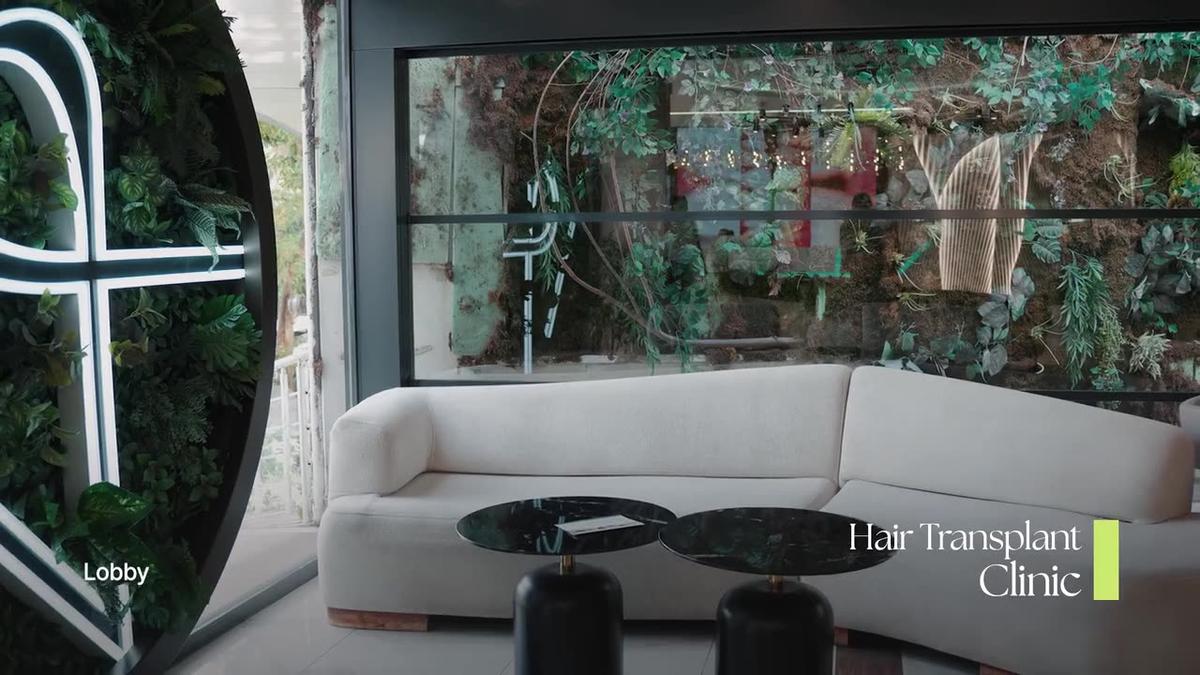
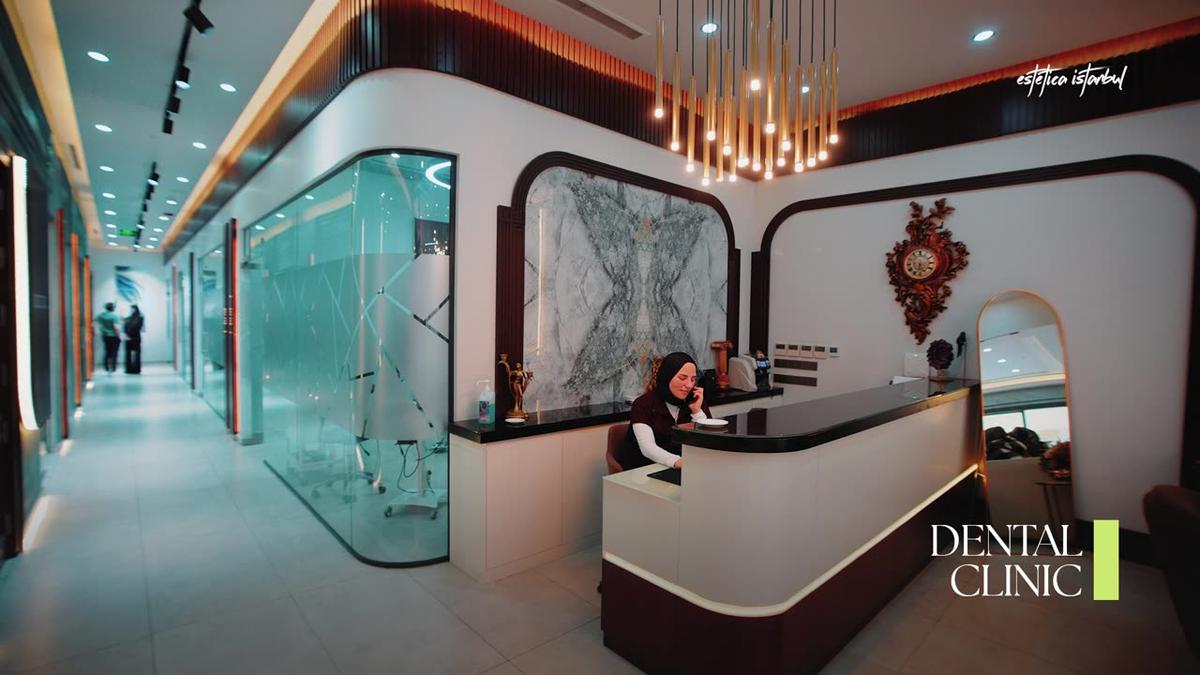
Non-surgical treatments happen at purpose-built venues — our dedicated partner dental clinic for veneers, crowns and implants, and our partner hair restoration clinic for transplants. Each run by teams who do only that, every day.
Recovery, Follow-Up & Your Smile
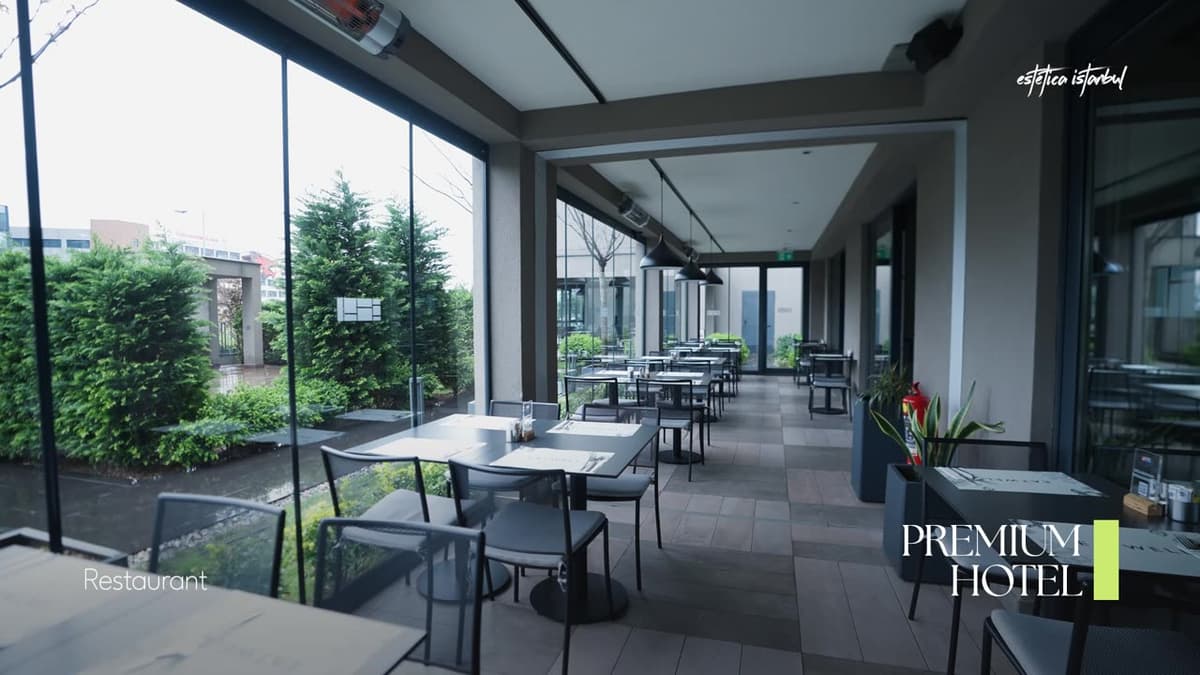
You recover in a hotel with on-site medical care, then fly home. We follow up remotely for a full year — and if a complication arises, we cover remote consultations with your surgeon and, in rare cases, revision surgery — with the Antwell upgrade.